How to Build an Emergency Fund on a Low Income: The Weekly System
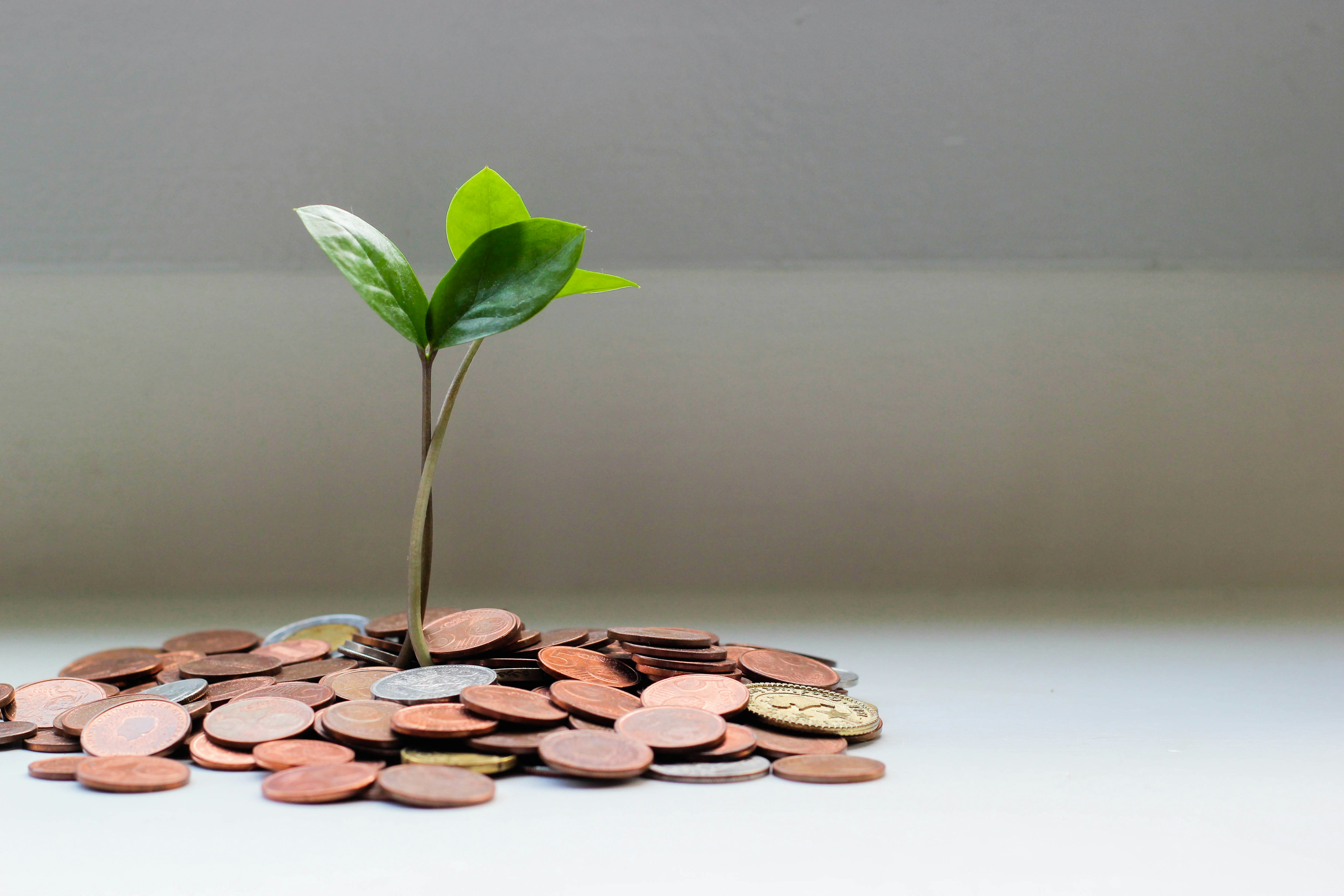
- Primary Signal: How to Build an Emergency Fund on a Low Income: The Weekly System
- Overview: How to build an emergency fund on a low income, as a complete weekly system: payday transfers ($10/week = $520/year), the $100 to $500 to one-month ladder, where to keep it, where ...
- Verification: Analyzed and compiled by FreeRich AI Hub editorial monitoring desk.
How to build an emergency fund on a low income? The guides agree on the goal but disagree on the method, and the method is where most people fail. The goal is cash you can reach in a day when life breaks something: a boiler leak, a car repair, a cut in hours. Without it, a $200 problem goes on a credit card and quietly becomes a $300 problem. With it, the same problem is an annoyance instead of a debt spiral. An emergency fund is not an investment. It is insurance against going backwards, and that framing matters because it sets the right target: protection first, growth later.
The system that works on a low income is weekly, not monthly. Monthly targets collapse in a lean week and then get cancelled in shame. Weekly transfers survive because they are small enough to miss. Move the money on payday, before you can spend it. $10 a week is $520 a year. $5 a week is $260 a year. That alone covers most of a first fund, and it rarely feels like it is missing. If your income is genuinely irregular, do not set a fixed amount you will fail to meet. Move 10% of whatever comes in instead, within 48 hours of it landing, and count the odd $3 transfer as a win rather than a failure.
Build it as a ladder, not a leap. Step one is $100, which covers a prescription, a bus pass, a small repair. Step two is $500, which covers most ordinary shocks without credit. Step three is one month of essential spending only: rent, food, transport, minimum debt payments, not lifestyle spending. Only after one month is covered should you stretch toward the classic three to six months of essentials, and if your income is irregular, lean toward six months once you get there. A target that feels impossible stops being motivating and starts being discouraging, which is why the ladder works where the big number fails.
Where the money comes from is the part the guides list but rarely prioritise. Ranked by reliability: first, automate the payday transfer so willpower is never involved. Second, bank windfalls whole: tax refunds, rebates, birthday money, an extra shift. Third, cancel one subscription you stopped noticing, which alone is often $8 to $12 a month. Fourth, run one no-spend week a month and sweep what is left. Fifth, sell what you do not use. Do two of these and redirect them automatically, and the fund builds itself.
Where to keep it has two requirements that sound like opposites and both matter. It must be separate from your everyday account, because money sitting in your current account gets spent, and it must be reachable within a day, because a fund that takes three working days to release is not an emergency fund. Use a separate easy-access savings account, give it a clear name like Emergency Fund, do not attach a card to it, and do not set up an overdraft on it. The interest rate is close to irrelevant at this stage: a slightly lower rate on $500 costs pennies a year.
Two rules protect the pot once it exists. First, the emergency test: is it urgent, necessary and unexpected? A broken washing machine, yes. A cut-price holiday, no matter how good the deal, is not. Second, the rebuild rule: when you spend from the fund, restart the transfer the same day, even at a smaller amount, because a fund that is not refilled is a fund that disappears. And one honest exception to saving first: if you carry high-cost debt such as credit cards or payday loans, build only a mini-buffer of $100 to $250 while paying minimums, then attack the debt, then return to the ladder. Paying 24% interest while saving at 4% is arithmetic working against you.
Bottom line: weekly transfers on payday, a $100 then $500 then one-month ladder, a separate account with no card, the urgent-necessary-unexpected test, and same-day rebuilding. That is the complete system, and it works on any paycheck because it was designed for the weeks when the paycheck is small.
📖 Continue Reading the Full Story
Continue reading this article on FreeRich AI Hub.
⚡ Access Full Content NowMore from FreeRich AI Hub



 🎁 Get Rich Free
Emergency fund how much do you really need: A Practical Beginner's Guide
This guide explains emergency fund how much do you really need in plain language, with practical steps, common...
 📊 Try2Rich Capital
How to Build an Emergency Fund on a Low Income in 2026
A practical step-by-step system for building an emergency fund on a small salary — tiny targets, automation, w...
💎 Try2Rich
Can an AI Voice Receptionist Handle a Finance Coaching Practice's Calls?
Finance coaches miss consultation calls while in client sessions. An AI voice receptionist answers 24/7 in you...
💰 Free2Rich Online
How Do Financial Advisors Handle Calls They Can't Answer During Client Meetings?
Advisors miss calls exactly when they're doing their best work — in client meetings. Here's how an AI receptio...