AI Prompts for Freelance Writers: 15 That Save Hours
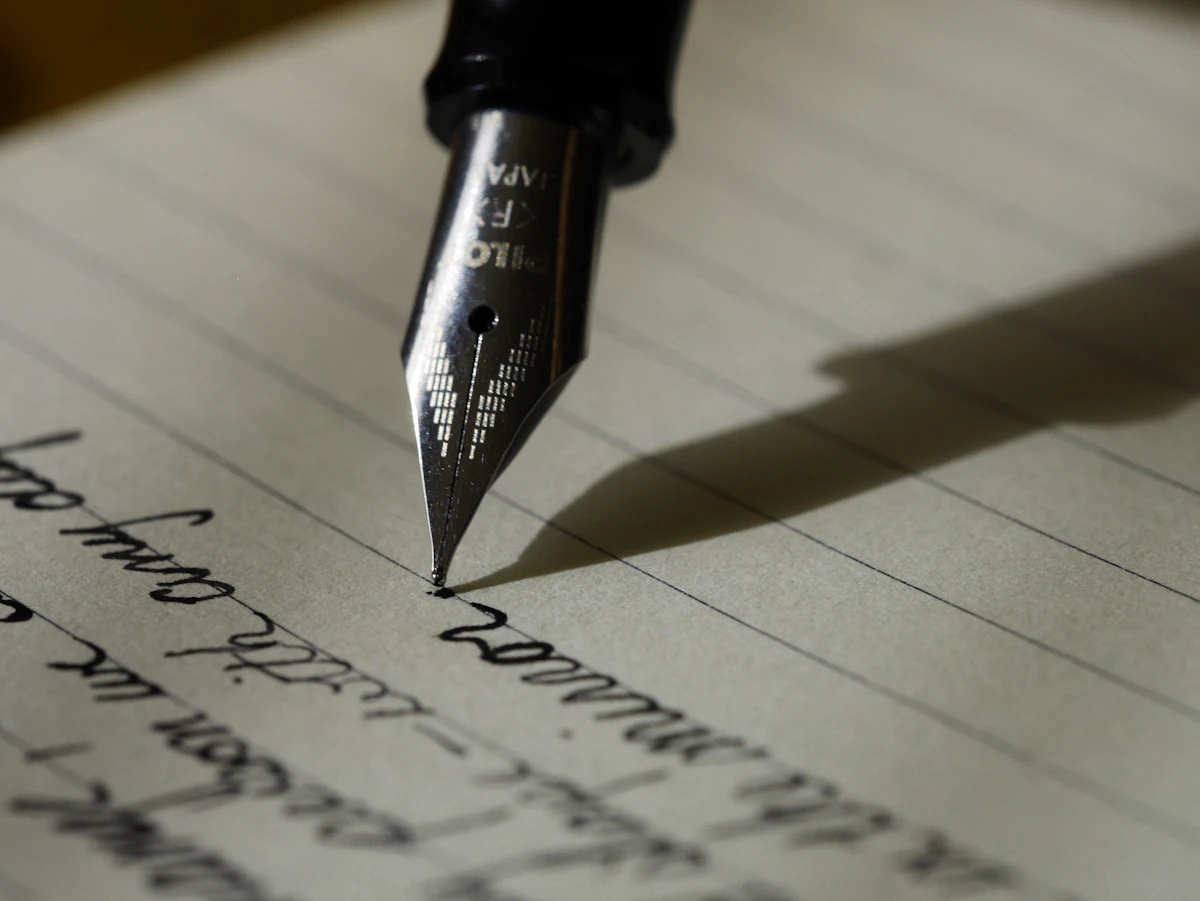
- Primary Signal: AI Prompts for Freelance Writers: 15 That Save Hours
- Overview: Fifteen copy-paste AI prompts for freelance writers, organised by task: research, outlining, drafting, editing, pitching and repurposing. Each one follows a proven role-task-contex...
- Verification: Analyzed and compiled by FreeRich AI Hub editorial monitoring desk.
Freelance writers spend half their working hours on tasks that are not writing: researching topics, building outlines, drafting emails, repurposing content, and editing their own work. AI prompts can cut that time in half, but only if the prompts are specific, structured, and built around the writer's real workflow. The fifteen prompts below are organised by task, from research to delivery, and each one follows the same structure: role, task, context, rules and format. Copy them into ChatGPT or Claude, fill in the blanks, and edit the output before it reaches a client.
Good writing starts with good research, and these three prompts compress hours of reading into minutes. First, the research summary: You are a research assistant for a freelance writer. Summarise this topic in 300 words: [topic]. Include the 5 most important facts, 3 common misconceptions, and 2 expert quotes I can cite. Second, the outline builder: Create a detailed outline for a 1,500-word article on [topic] for [audience]. Include an answer-first introduction, 5 sections with sub-points, and a closing FAQ with 3 questions. Third, the angle finder: I am writing about [topic] for [audience]. List 5 fresh angles that have not been covered by the top-ranking articles, and explain why each one is worth writing about. These three prompts turn a blank page into a structured starting point in under ten minutes.
Once the research is done, these prompts handle the draft. The first-draft prompt: Write a 1,000-word first draft on [topic] using this outline: [paste outline]. Tone: [conversational and practical]. Include one worked example and one statistic with a source. The rewrite prompt: Rewrite this paragraph to be clearer and more concise. Keep the meaning, cut the word count by 30 percent, and use active voice throughout: [paste paragraph]. The editing prompt: Edit this article for grammar, clarity and flow. List every change you made and why, and flag any claims that need a source: [paste article]. The SEO prompt: Optimise this article for the keyword [keyword]. Add it naturally in the title, first paragraph and two headings, and suggest 3 internal links and a meta description under 160 characters. These four prompts cover the full drafting cycle, from first words to publish-ready copy.
The remaining prompts handle the business side of writing. The pitch prompt: Write a 150-word pitch email to [editor or client] proposing an article on [topic]. Explain why their audience cares, what makes my angle different, and include my relevant experience: [experience]. The revision prompt: A client asked for these changes: [paste feedback]. Rewrite the affected sections, keep the rest unchanged, and list what you changed and why. The repurposing prompt: Turn this 1,500-word article into 5 social media posts, 1 email newsletter section, and 3 LinkedIn post ideas, keeping the core message in each format. The headline prompt: Write 10 headline options for this article: [paste title and summary]. Make 5 informative, 3 curiosity-driven, and 2 list-style, all under 70 characters. The invoice prompt: Draft a professional invoice email for [project] at [rate], including a summary of deliverables, payment terms, and a polite thank-you.
AI prompts save time, but they can also flatten your writing into generic copy if you use them carelessly. The fix is to give the model your voice: paste two or three of your best published pieces and add, Match this tone, sentence length and vocabulary, and avoid corporate jargon and clichés. Always add your own reporting, examples and opinions, because AI cannot interview a source, test a product, or share a personal experience, and those are the things clients pay for. Never deliver raw AI output: read every draft once for accuracy, once for tone, and once for originality, and rewrite any sentence that sounds like it could have come from anyone. The prompts are a starting line, not a finish line, and the writer who uses them well produces more work, faster, without sounding like a machine.
Can AI prompts replace a freelance writer? No, AI can draft, outline and edit, but it cannot report, interview, or share original experience, which is what clients pay for. What is the best AI tool for freelance writers? Claude is best for long-form writing and careful editing, ChatGPT is best for speed, brainstorming and short-form copy. How do I write a good AI prompt? Use a clear structure: role, task, context, rules and format, and fill in the blanks with specific details. Should I tell clients I use AI? Be honest if asked, and always edit AI output before delivery, because the final work should reflect your judgement and expertise.
More from FreeRich AI Hub